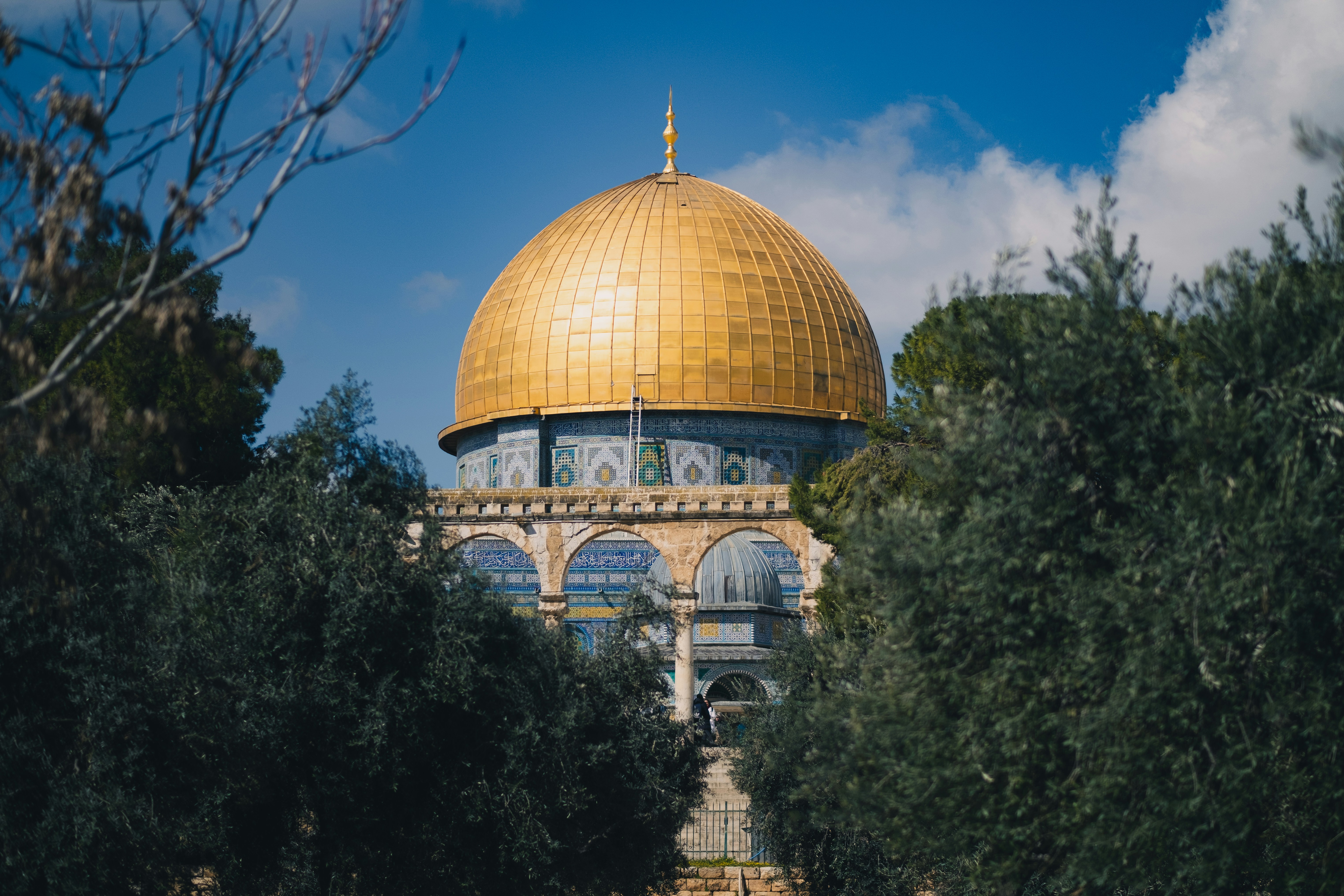
Palestine holds a sacred place in the hearts of Muslims around the world. It is home to Masjid al-Aqsa , the third holiest site in Islam after Makkah and…
Palestine holds a sacred place in the hearts of Muslims around the world. It is home to Masjid al-Aqsa , the third holiest site in Islam after Makkah and Madinah, and the only place on earth where all the Prophets gathered behind our beloved Prophet Muhammad ﷺ in prayer—an honour that reflects the land’s unmatched spiritual rank. It was from here that the miraculous journey of al-Isra wal-Mi’raj began, linking Jerusalem directly to the heavens and placing it at the heart of Islamic belief. This connection makes Palestine a land of barakah, chosen by Allah and mentioned in the Qur’an. Throughout history, Palestine has been graced not only by Prophets but also by the noble Companions and righteous Caliphs—most notably Sayyiduna Umar ibn al-Khattab رضي الله عنه, who entered Jerusalem with humility and justice. It is also the land where Salahuddin al-Ayyubi رحمة الله عليه led with honour and restored Masjid al-Aqsa to the ummah. The region bears witness to centuries of devotion, leadership, and sacrifice. Coupled with its warm-hearted people, vibrant traditions, and beautiful climate, Palestine offers a deeply spiritual experience! Note: For ease of reference, all sites are referred to as Palestine, reflecting the historical Ottoman-era region. While the West Bank is generally administered by Palestinian authorities, some areas are under Israeli control. Each Ziyara will clarify the current administration of the site.
Yes, Alhamdulillah.
The best times to visit Palestine are during spring (March-May) and autumn (September-November) when the weather is mild and pleasant. Summer can be quite hot, especially in the Jordan Valley, while winter brings occasional rain and cooler temperatures.
Visa requirements depend on your nationality and entry point. Most visitors enter through Israel and need to comply with Israeli entry requirements. Some nationalities can enter visa-free for tourism. It's recommended to check current requirements with the Palestinian Ministry of Tourism or relevant embassies.
Key historical sites include the Church of the Nativity in Bethlehem, the Old City of Jerusalem, Hisham's Palace in Jericho, the ancient city of Sebastia near Nablus, and the Herodium fortress. Each site offers unique insights into Palestine's rich historical heritage spanning thousands of years.
Palestine is generally safe for tourists, with many areas welcoming visitors year-round. However, it's important to stay informed about current political situations and follow local guidance. Tourist areas like Bethlehem, Ramallah, and Jericho have good infrastructure for visitors.
Palestine uses multiple currencies: the Israeli Shekel (ILS) is most commonly accepted, the Jordanian Dinar is used in some areas, and US Dollars are widely accepted. Credit cards are accepted in major hotels and restaurants, but it's advisable to carry cash for smaller establishments.
Palestinian culture is rich and hospitable, with strong traditions of welcoming guests. Dress modestly when visiting religious sites, respect prayer times, and be open to experiencing the famous Palestinian hospitality. Learning a few Arabic phrases is always appreciated by locals.