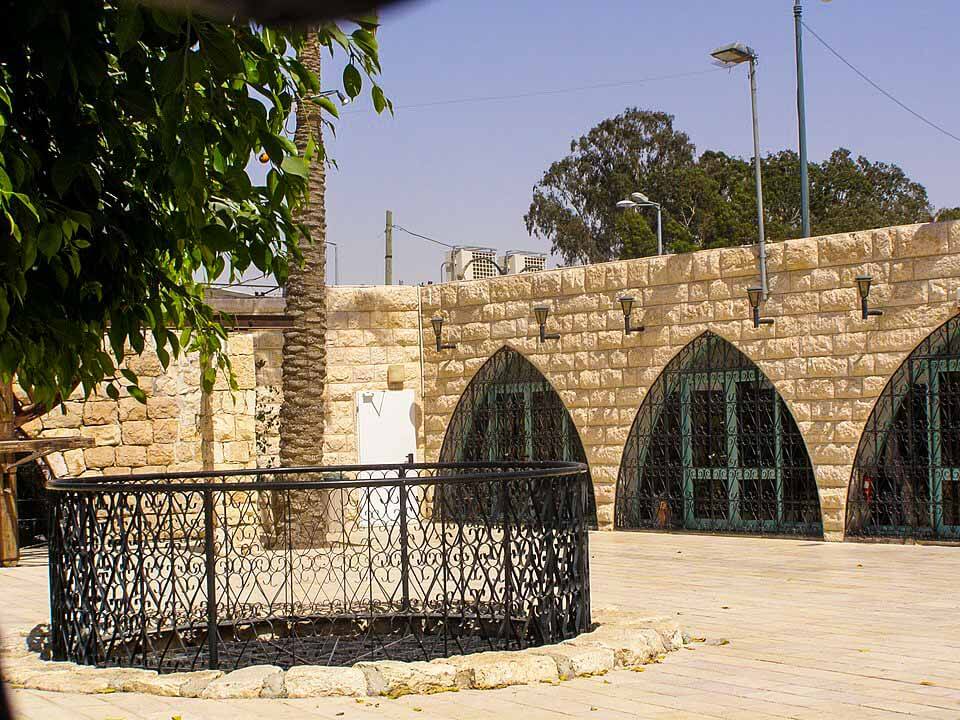
The well at Tell al-Sabaʿ (تل السبع) marks the place where Islamic historical tradition holds that Prophet Ibrahim (AS) dug a well after settling in the…
The well at Tell al-Sabaʿ (تل السبع) marks the place where Islamic historical tradition holds that Prophet Ibrahim (AS) dug a well after settling in the Beersheba region of Palestine. Prophet Ibrahim (AS) called his people away from idol worship and migrated from Iraq through Harran, later travelling to Egypt and the lands of Palestine with Sayyidah Sarah and Prophet Lut (AS). Muslim historians place part of his life at al-Sabaʿ in southern Palestine, before his later journeys connected with Sayyidah Hajar and Prophet Ismail (AS). Prophet Ibrahim at al-Sabaʿ Ibn al-Jawzi records that Prophet Ibrahim (AS) came from Egypt to al-Sabaʿ in Palestine, where he dug a well and established a masjid. The same historical account connects the place-name with seven goats given to the people of the settlement after Prophet Ibrahim (AS) departed. Water lies at the centre of Beersheba’s ancient identity. The name is commonly understood as “Well of the Seven” or “Well of the Oath,” preserving the association between the settlement, its wells and the life of Prophet Ibrahim (AS). The ancient settlement at Tell al-Sabaʿ Tell al-Sabaʿ lies east of modern Beersheba, near the meeting of the Beersheba and al-Khalil streambeds. Archaeological excavations uncovered a fortified settlement with gates, houses, storehouses and an underground water system. The well stands outside and close to the ancient city gate and descends approximately 69 metres to groundwater level. The settlement mound forms part of the UNESCO-listed group of ancient tels at Beersheba, Hazor and Megiddo, recognised for their substantial urban remains and Iron Age water systems.