Iraq is a land steeped in Prophetic legacy and sacred knowledge. Known in the past as the heart of the Abbasid Caliphate, Baghdad was once the world’s…
Iraq is a land steeped in Prophetic legacy and sacred knowledge. Known in the past as the heart of the Abbasid Caliphate, Baghdad was once the world’s greatest centre of learning, home to scholars like Imam Abu Hanifah, Imam Ahmad ibn Hanbal, and countless others. Its soil is blessed by the presence of righteous saints, imams, and scholars, and remains a source of deep spiritual inspiration. The city of Kufa served as the Islamic capital under the leadership of Sayyiduna Ali ibn Abi Talib رضي الله عنه, where justice, knowledge, and devotion flourished. Baghdad later rose as the jewel of the Abbasid Caliphate, nurturing a golden era of scholarship, literature, and science. Iraq’s mosques, shrines, and madrasahs continue to echo with the legacy of devotion and intellectual brilliance. Despite the challenges it has faced, Iraq remains a land of barakah, resilience, and enduring faith.
Travel to Iraq requires careful planning due to security concerns. Check current government travel advisories and consider guided tours.
Iraq uses the Iraqi Dinar (IQD) as its official currency.
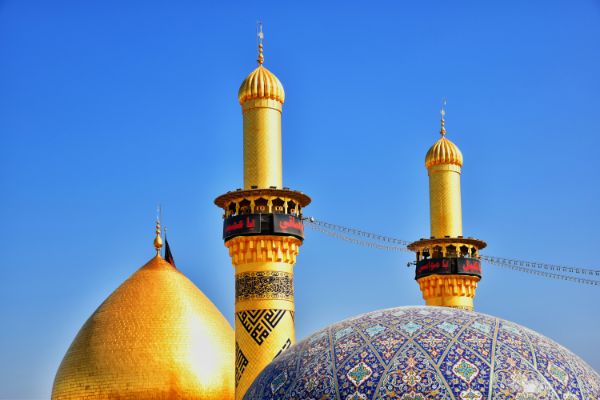
Important sites include the Imam Ali Mosque in Najaf, Imam Hussein Shrine in Karbala, and various historic mosques in Baghdad.
Arabic is the official language, with Kurdish also widely spoken in the northern regions.
Most visitors need a visa to enter Iraq. Contact the Iraqi embassy or consulate for current visa requirements.