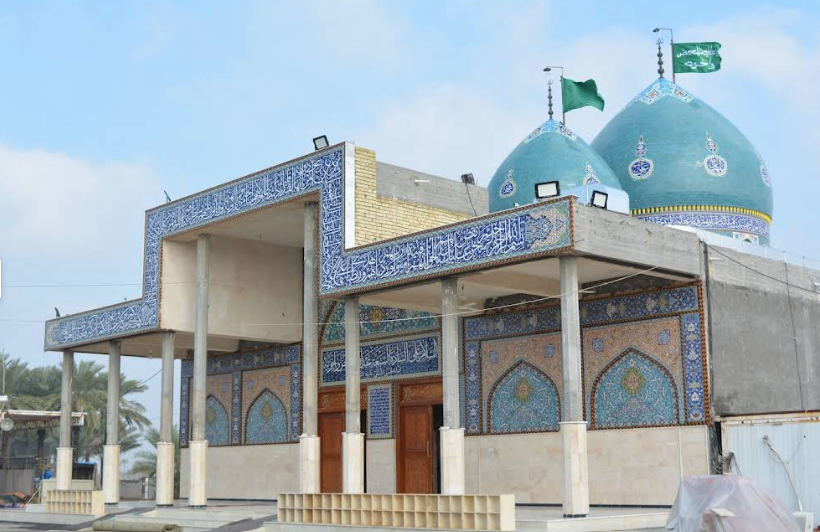
Sayyid ʿAbdullah al-Maḥḍ ibn al-Hasan al-Muthanna was a great-grandson of Sayyiduna ʿAli ibn Abi Talib and Sayyidah Fatimah al-Zahra. His father descended…
Sayyid ʿAbdullah al-Maḥḍ ibn al-Hasan al-Muthanna was a great-grandson of Sayyiduna ʿAli ibn Abi Talib and Sayyidah Fatimah al-Zahra. His father descended from Imam al-Hasan, while his mother, Fatimah bint Imam al-Husayn, descended from Imam al-Husayn. He was therefore known as al-Maḥḍ, meaning “the pure,” because the lineages of Imam al-Hasan and Imam al-Husayn were united in him. He was regarded as a leading member of the Ahl al-Bayt of his time and was remembered for his knowledge, worship, generosity and dignified character. During the rule of an Abbasid caliph, Sayyid ʿAbdullah and a group of his brothers, nephews and other members of the Hasanid family were arrested and transported from Madinah to Iraq. They were imprisoned at al-Hashimiyyah near Kufa, where Sayyid ʿAbdullah died in captivity in 145 AH/762 CE, together with several members of his family. The site became known as al-Qubur al-Sabʿah, or “the Seven Graves,” and is traditionally associated with their burial. The present shrine stands in the Imam Zayd district of Babil Governorate, on the road between al-Qasim and al-Kifl. The complex contains two domed shrine chambers: one associated with Sayyid ʿAbdullah al-Maḥḍ and another commemorating the members of the Ahl al-Bayt who died alongside him. It remains an important place of visitation and remembrance dedicated to the descendants of Imam al-Hasan and their endurance during the early Abbasid period.