Taif
Jabra Palace stands on a rise overlooking the farms and orchards of Wadi Jabra, in the north-east of Taif. It is counted among the oldest historic buildings…
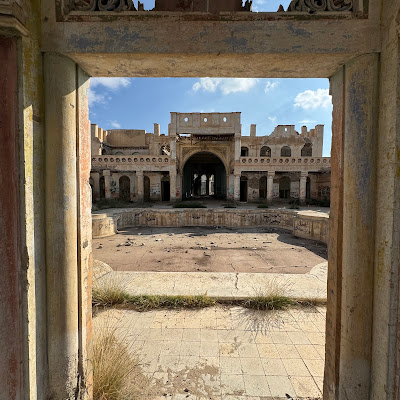


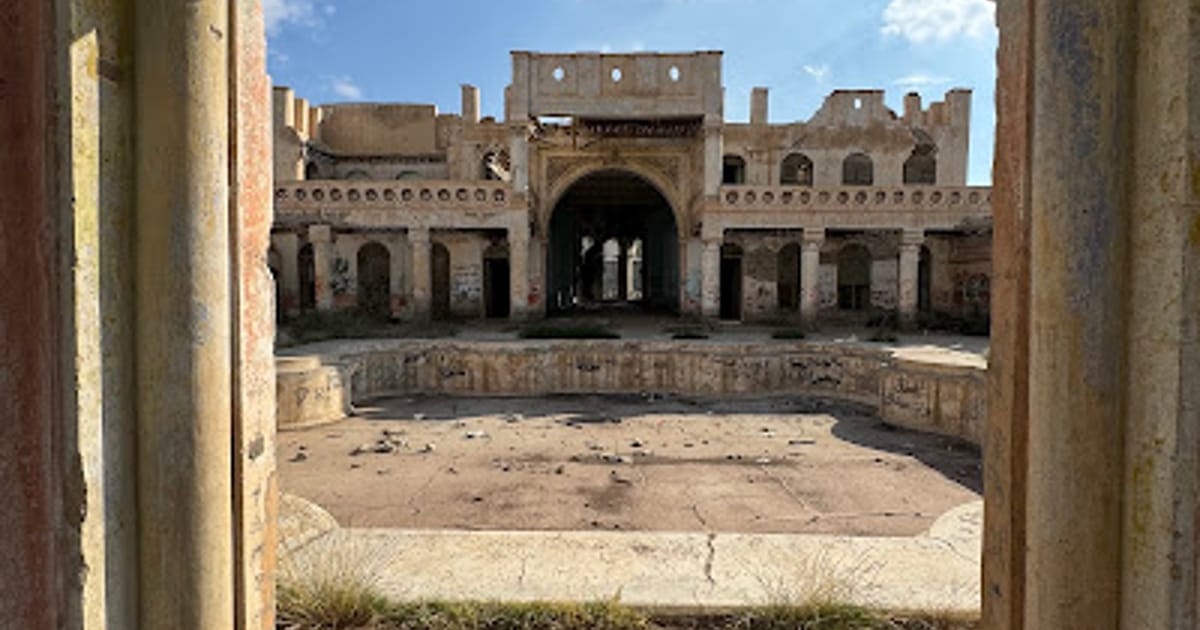
Jabra Palace stands on a rise overlooking the farms and orchards of Wadi Jabra, in the north-east of Taif. It is counted among the oldest historic buildings of the region. Its origins Saudi heritage sources attribute the palace to the reign of the Umayyad caliph Hisham ibn Abd al-Malik, around 114 AH (732), and name it after Jabra al-Makhzumiyyah, a lady of Quraysh who was the wife of Muhammad ibn Hisham, an Umayyad prince who served as governor of Makkah. In modern times it served for a period as a residence of King Abd al-Aziz. The building The palace occupies a plot of about 5,600 square metres, with the building itself covering about 1,500 square metres. It is built of stone and rises three storeys, with a decorated entrance, a large hall, many rooms and a basement. A courtyard with a fountain lies at its centre, and its stone walls carry carved decoration and Qur'anic inscriptions. The valleys of Taif The palace stands among the farms and water channels along the valleys of Taif. This area was also part of the great water works of the Abbasid period associated with Zubaydah, the wife of Harun al-Rashid, which brought water from the springs of the Taif region to Makkah for the pilgrims. The site today Much of the palace lies in a fragile state, and it has been the subject of heritage planning by the Saudi Heritage Commission. It can be seen from outside, and its setting above the orchards makes it popular with photographers.