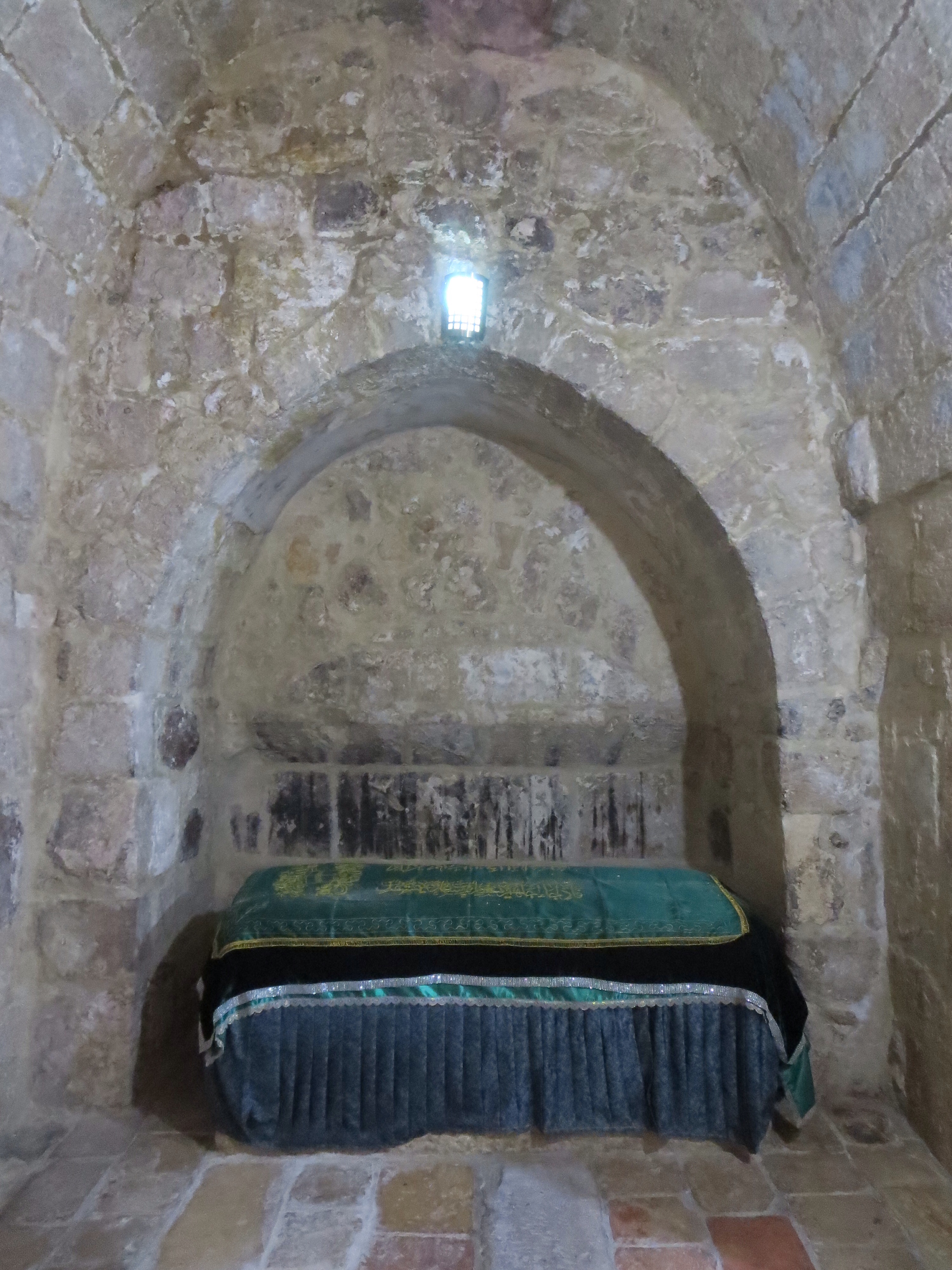
Sayyidah Rabia al-Adawiyya is buried on the Mount of Olives, where a historic maqam preserves Jerusalem’s connection with the famed ascetic of Basra. Known in…
Sayyidah Rabia al-Adawiyya is buried on the Mount of Olives, where a historic maqam preserves Jerusalem’s connection with the famed ascetic of Basra. Known in Arabic as مقام رابعة العدوية, the site stands in al-Tur, east of Jerusalem’s Old City and close to the summit of the mountain. The maqam comprises an upper prayer space and a lower cave containing the grave. The ascetic of Basra Sayyidah Rabia al-Adawiyya was also known as Umm al-Khayr and Umm Amr. The historian al-Dhahabi names her as Sayyidah Rabia bint Ismail al-Adawiyya al-Basriyya and describes her as an ascetic, a devoted worshipper and a woman of deep humility. She belonged to the early tradition of zuhd, disciplined detachment from worldly excess in order to devote the heart to Allah. Accounts preserved by Ibn al-Jawzi and al-Dhahabi describe her nightly prayer, her severe self-accounting and the wisdom transmitted from her by scholars including Sufyan al-Thawri. Her grave on the Mount of Olives The thirteenth-century biographer Ibn Khallikan recorded that the grave of Sayyidah Rabia al-Adawiyya was visited outside Jerusalem, east of the city, at the summit of the mountain called al-Tur. His description places it on the Mount of Olives, where the present maqam stands. The lower chamber is associated with the khalwa of Sayyidah Rabia al-Adawiyya—a secluded place used for worship and spiritual retreat. The maqam later developed above and around this cave, joining her memory to the long history of worship and retreat on the heights overlooking Jerusalem.