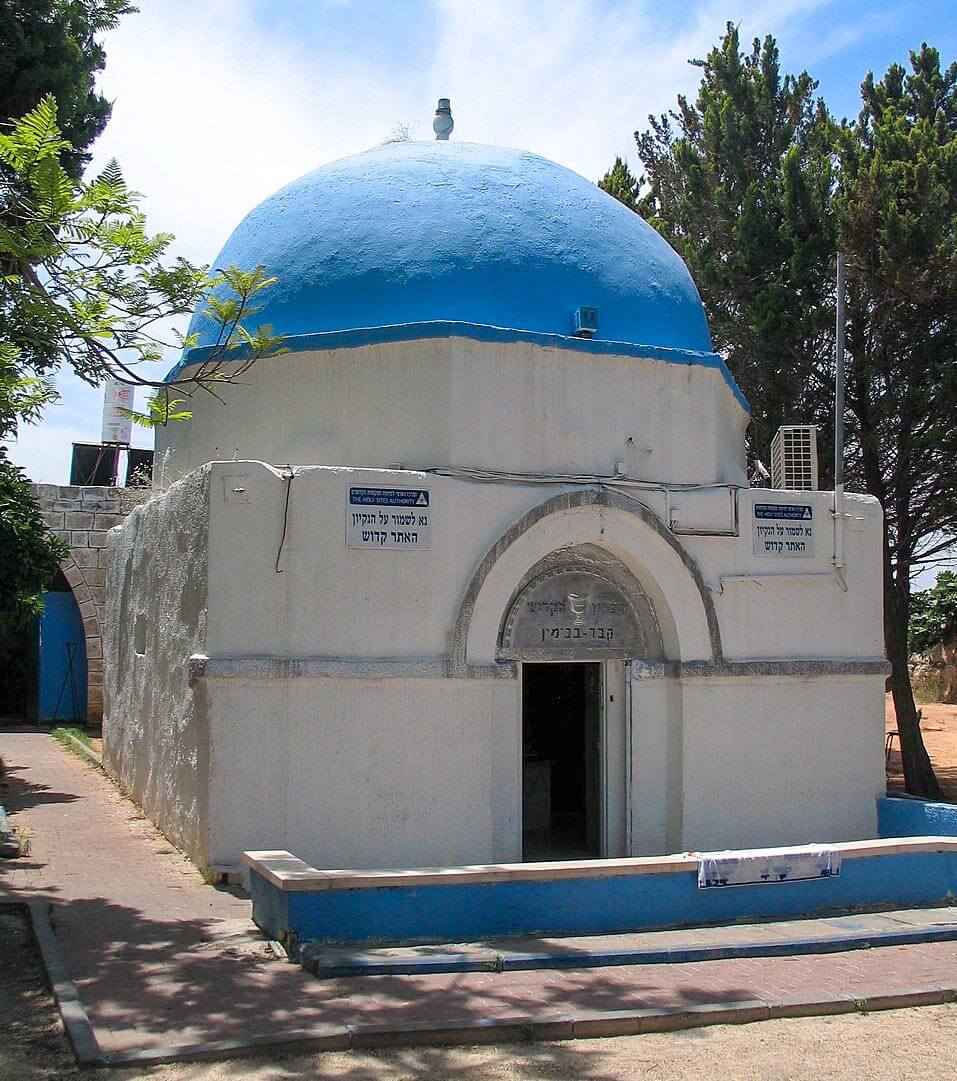
The grave of Binyamin, son of Nabi Ya'qub (AS) and full brother of Nabi Yusuf (AS), stands on the lands of the Palestinian village of Kafr Saba. Known in…
The grave of Binyamin, son of Nabi Ya'qub (AS) and full brother of Nabi Yusuf (AS), stands on the lands of the Palestinian village of Kafr Saba. Known in Arabic as Maqam al-Nabi Yamin (مقام النبي يمين), the site preserves the local tradition that Binyamin is buried here. Binyamin is not named directly in the Qur'an, but Muslim tafsir identifies him as the younger brother whom Nabi Yusuf (AS) asked his family to bring to Egypt. When the brothers returned, Nabi Yusuf (AS) received Binyamin privately and disclosed his identity: “When they entered Joseph’s presence, he received his full brother, and said ˹to him secretly˺, ‘I am indeed your brother! So do not feel distressed for what they have been doing.’” Surah Yusuf 12:69 Binyamin in the reunion of Nabi Yusuf Binyamin’s arrival became a decisive moment in the story of Nabi Yusuf (AS). Nabi Ya'qub (AS), still grieving for Nabi Yusuf (AS), had been reluctant to entrust another son to the brothers. Nabi Yusuf (AS) then arranged for Binyamin to remain in Egypt, setting in motion the brothers’ confession, the disclosure of Nabi Yusuf’s identity and the reunion of the household of Nabi Ya'qub (AS). The maqam at Kafr Saba Kafr Saba belonged historically to the Tulkarm district and lay near Qalqilya on the coastal plain. Muslim geographers recorded the settlement long before the modern period: al-Muqaddasi described it in the tenth century as a large village with a mosque, while Nasir Khusraw later noted its figs and olives. The Egyptian traveller Mustafa al-Luqaymi visited Kafr Saba in 1730 and recorded the maqam of Binyamin, also called Maqam al-Nabi Yamin. The village’s Muslim community maintained two recognised maqams: this one and the nearby Maqam al-Nabi Saraka. An inscription formerly at the site recorded the construction of a riwaq, an arcaded prayer hall, in 1223 AH/1808 CE.