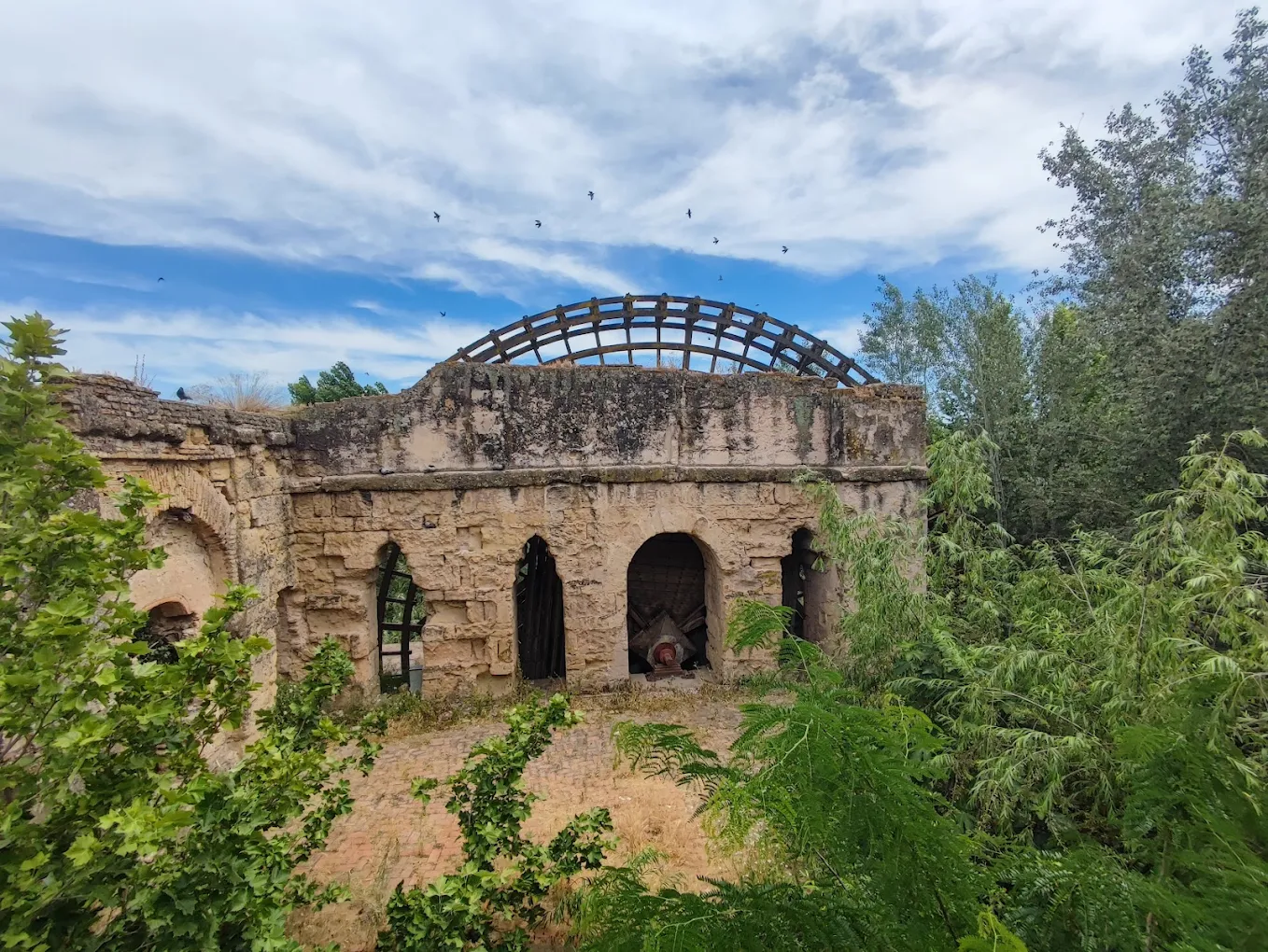
The Albolafia Water Mill, located beside the Umayyad Bridge on the Guadalquivir River, is one of Córdoba’s most iconic surviving waterwheels. Its origins go…
The Albolafia Water Mill, located beside the Umayyad Bridge on the Guadalquivir River, is one of Córdoba’s most iconic surviving waterwheels. Its origins go back to the Islamic period of al-Andalus, when it was built—traditionally attributed to the reign of Emir Abd al-Rahman II (9th century)—to raise water from the river to supply the Umayyad Alcázar and the palatial gardens. The large noria (waterwheel) exemplifies the hydraulic ingenuity of Islamic Córdoba, where water management was essential for agriculture, urban life, and the flourishing of the Caliphate. The Albolafia wheel became so famous that it was even depicted on the city’s coat of arms in later centuries. Though no longer functioning, it remains an enduring symbol of the city’s Islamic golden age. Today, the Albolafia Mill is preserved as part of the Sotos de la Albolafia Natural Monument, an area that protects both the historic waterwheel and the rich riverbank ecosystem surrounding it. Visitors can view the wheel from the Roman Bridge and the Calahorra Tower, appreciating the way Córdoba’s Islamic engineering heritage harmonised with the natural environment of the Guadalquivir.