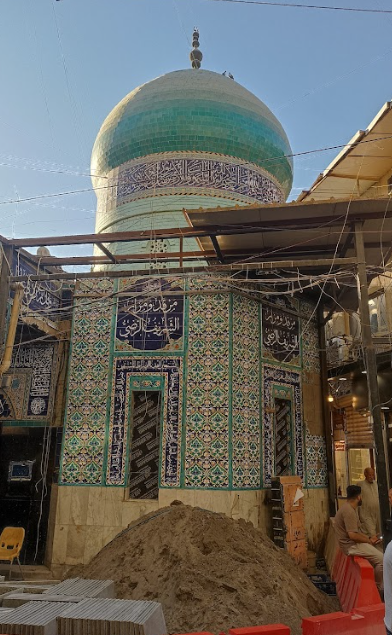
Al-Sharīf al-Raḍī — full name Abū al-Ḥasan Muḥammad ibn al-Ḥusayn ibn Mūsā — was born in Baghdad in 359 AH / 970 CE into one of the most distinguished ʿAlid…
Al-Sharīf al-Raḍī — full name Abū al-Ḥasan Muḥammad ibn al-Ḥusayn ibn Mūsā — was born in Baghdad in 359 AH / 970 CE into one of the most distinguished ʿAlid families of the Abbasid era. His lineage ascended through Mūsā al-Kāẓim to al-Ḥusayn ibn ʿAlī, and his mother carried an equally noble Ḥasanid descent. He was the older brother of the celebrated theologian al-Sharīf al-Murtaḍā, and the two together represent the towering peak of ʿAlid intellectual and literary life in fourth and fifth century Baghdad. Al-Raḍī is known above all as the compiler of Nahj al-Balāgha — the celebrated collection of the sermons, letters, and sayings of ʿAlī ibn Abī Ṭālib, which he gathered with extraordinary care and literary discernment and which has remained one of the most read and studied Arabic texts in Islamic history. Beyond this, he was considered by many the greatest Arab poet of his age — a remarkable distinction in an era that included al-Mutanabbī and Abū al-ʿAlāʾ al-Maʿarrī as near-contemporaries. His students and successors noted that had the two brothers not existed side by side, each would have overshadowed every other scholar and poet of the time. He served as Naqīb al-Ṭālibiyyīn — the head of the ʿAlid community in Baghdad — as well as supervising the Hajj and overseeing the affairs of the Ṭālibids across the Muslim world. He established a Dār al-ʿIlm in Baghdad, a house of learning where he provided for students regardless of their means. He was known for his asceticism, his nobility of character, and the breadth of his scholarship across theology, jurisprudence, Quranic interpretation, and literature. He died in Baghdad in Muḥarram 406 AH / 1016 CE at the age of around forty-seven. His maqām in the Kāẓimiyya district of Baghdad sits near the grave of his ancestor Mūsā al-Kāẓim and his brother al-Murtaḍā, in the sacred precinct that has drawn generations of scholars and visitors to this part of the city.