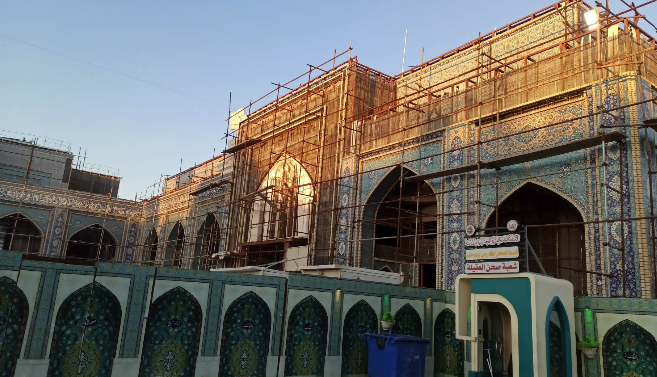
Ṣaḥn al-ʿAqīla Zaynab is a major devotional and architectural complex adjacent to the maqām of al-Ḥusayn ibn ʿAlī in the heart of Karbala, built and…
Ṣaḥn al-ʿAqīla Zaynab is a major devotional and architectural complex adjacent to the maqām of al-Ḥusayn ibn ʿAlī in the heart of Karbala, built and administered by the Karbala Holy Shrine Authority (al-ʿAtaba al-Ḥusayniyya al-Muqaddasa). It is named after Zaynab bint ʿAlī ibn Abī Ṭālib — known by the title al-ʿAqīla , meaning the most noble woman of her lineage — in recognition of her central role in the events that followed the tragedy of Karbala. The complex is built around al-Tall al-Zaynabī — the Mound of Zaynab — the historically significant elevated ground where Zaynab stood and witnessed the martyrdom of her brother al-Ḥusayn and the companions of his household on the day of ʿĀshūrāʾ, 10 Muḥarram 61 AH. This mound is the spiritual and historical heart of the entire project and remains the primary devotional focal point within the complex. Also commemorated within the complex is the Maqām Khaymat Dār al-Ḥarb — the site of the battle tent ( al-fusṭāṭ ) in which al-Ḥusayn placed the bodies of the martyrs of Karbala. The project covers a total area of over 50,000 square metres, extending between Bāb al-Qibla Street and al-Shuhadāʾ Street to the south-west of the Ḥusayni maqām. It encompasses a large open marble-paved courtyard, air-conditioned underground spaces for pilgrims, a library and manuscript house covering 10,000 square metres, and a museum of 6,000 square metres housing the maqām's collections and gifts presented to the Ḥusayni sanctuary over the centuries. A 750-metre vehicle tunnel running 6 metres underground connects the complex to surrounding streets to ease the flow of the millions of pilgrims who come especially during the Arbaʿīn pilgrimage. The complex stands as a tribute to Sayyidah Zaynab's role not only as a witness to Karbala but as the one who carried the message of al-Ḥusayn's stand to the world — confronting the authorities of her time in Kufa and Damascus with extraordinary eloquence and courage — and who through her words and presence ensured that the events of ʿĀshūrāʾ were never forgotten.