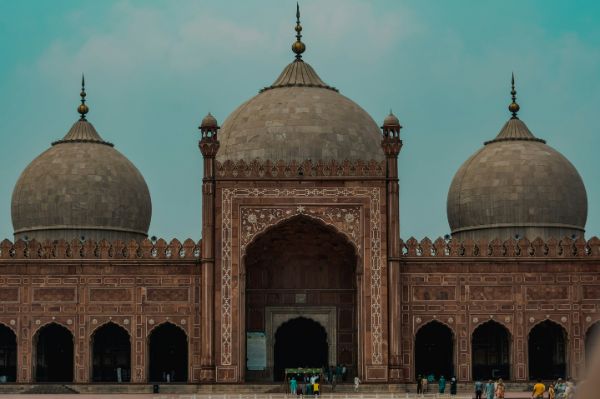
Pakistan is one of the largest Muslim countries in the world, with a population whose identity is deeply rooted in Islam. Founded as a homeland for Muslims in…
Pakistan is one of the largest Muslim countries in the world, with a population whose identity is deeply rooted in Islam. Founded as a homeland for Muslims in the subcontinent, the country reflects a strong commitment to Islamic values in both public and private life. The call to prayer echoes across towns and cities, and Islamic education, festivals, and traditions are central to the daily rhythm of life for millions. Historically, this region has played a key role in the growth of Islam in South Asia. Under the Mughal Empire, it became a centre of Islamic governance, art, and architecture—leaving behind a rich legacy that continues to define its cultural landscape. From majestic mosques and historic sites to vibrant communities practising their faith, Pakistan remains a country where the past and present of Islam meet in meaningful and enduring ways.
The best time to visit Pakistan is from October to April when the weather is cooler. For northern areas, May to September is ideal.
Most visitors need a visa to enter Pakistan. You can apply for an e-visa online or visit a Pakistani embassy/consulate.
Pakistan uses the Pakistani Rupee (PKR) as its official currency.
Famous mosques include Faisal Mosque in Islamabad, Badshahi Mosque in Lahore, and Shah Jahan Mosque in Thatta.
Pakistan is generally safe for tourists, especially in main tourist areas. Check current travel advisories and consider guided tours.
Urdu is the national language, with English widely used. Many regional languages are also spoken including Punjabi, Sindhi, and Pashto.