Jordan is a land of deep Islamic heritage, forming part of blessed al-Sham—praised in the Qur’an and Hadith for its barakah. It was along this route that…
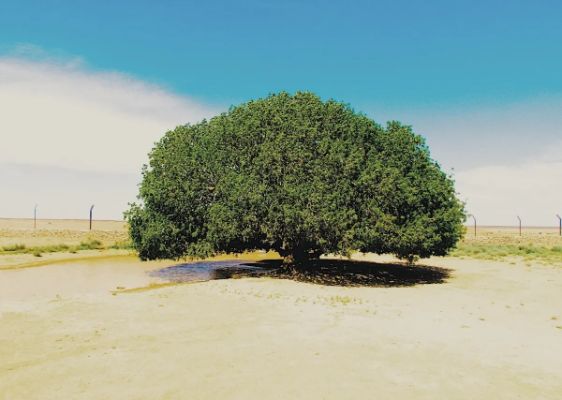
Jordan is a land of deep Islamic heritage, forming part of blessed al-Sham—praised in the Qur’an and Hadith for its barakah. It was along this route that Prophet Muhammad ﷺ, as a young boy, journeyed to Syria with his uncle, and it was here under the shade of the Blessed Tree that he was recognised by the monk Bahira as the final Messenger to come. This sacred tree, still standing near Safawi, is a powerful reminder of the early signs of Prophethood and Jordan’s connection to the Seerah. The land is also home to the maqams of many noble Sahabah, including Abu Ubaydah ibn al-Jarrah, Mu‘adh ibn Jabal, and Dirar ibn al-Azwar, who died during the plague of Amwas. The historic Battle of Mu’tah was fought here, where great companions like Zayd ibn Harithah, Ja‘far ibn Abi Talib, and Abdullah ibn Rawahah رضي الله عنهم were martyred. Jordan’s valleys, towns, and tranquil landscapes preserve the memory of sacrifice, leadership, and devotion—making it a land of spiritual reflection and honour in the footsteps of the righteous.
The best time to visit Jordan is during spring (March-May) and autumn (September-November) when the weather is mild.
Most visitors can get a visa on arrival at the airport, or apply for an e-visa online before traveling.
Jordan uses the Jordanian Dinar (JOD) as its official currency.
Jordan is considered one of the safest countries in the Middle East for tourists, with a stable government and friendly people.
Key sites include the King Abdullah I Mosque in Amman, various historic mosques, and Islamic archaeological sites.
Jordan is a Muslim-majority country with excellent Islamic facilities, halal food everywhere, and easy access to mosques for prayers.